
When working on bags, outdoor gear, pet products, or safety equipment, choosing the correct buckle size is just as important as the quality of the material. A properly sized buckle ensures durability, comfort, and a secure fit. In this guide, we’ll show you how to measure straps, match them with buckle sizes, and avoid common mistakes.
Why Buckle Size Matters
The right buckle size keeps your strap secure, prevents slipping, and increases product lifespan. A buckle that’s too small may damage the strap, while one that’s too large won’t hold it tightly.
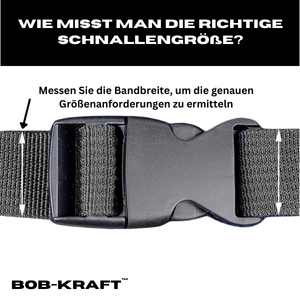
How to Measure Your Strap
To find the correct buckle size, simply measure the width of the strap. The buckle size must match this measurement for a snug fit.
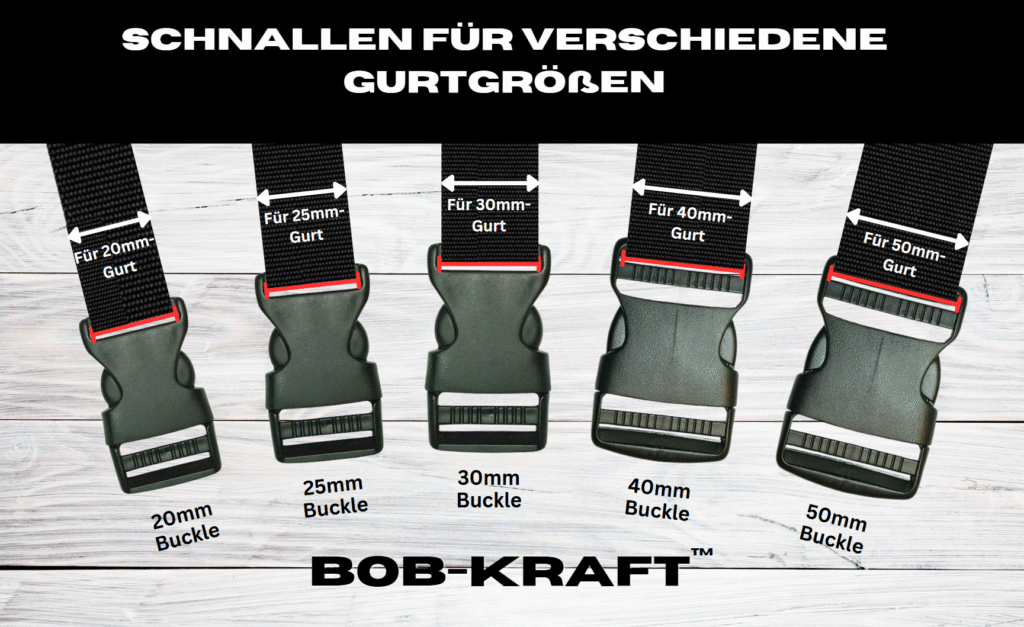
For example:
- Strap width 12–15 mm → Buckle 15 mm
- Strap width 16–20 mm → Buckle 20 mm
- Strap width 21–25 mm → Buckle 25 mm
- Strap width 26–30 mm → Buckle 30 mm
- Strap width 36–40 mm → Buckle 40 mm
- Strap width 46–50 mm → Buckle 50 mm
Common Mistakes to Avoid
- Using the wrong size – A mismatch causes straps to slip or break.
- Ignoring strap thickness – Some heavy-duty straps may require stronger buckles.
- Overlooking material – Buckles made from low-quality plastic wear out faster.
Applications of Different Buckle Sizes
- 15–20 mm: Pet collars, small bags, lightweight gear
- 25–30 mm: Backpacks, sports gear, medium-duty outdoor equipment
- 40–50 mm: Safety harnesses, heavy-duty straps, industrial use
FINAL THOUGHTS
Choosing the right buckle size might seem like a small detail, but it makes a big difference in strength, usability, and safety. Always measure your strap width before purchasing buckles to ensure a perfect match. With the correct size, your projects will not only look professional but also last longer.